

RELEASED BY WARNER BROS. ON OCTOBER 13,1967, TWO WEEKS AFTER THE DEATH OF ITS AUTHOR, CARSON MCCULLERS, REFLECTIONS IN A GOLDEN EYE IS OFTEN CITED AS A PRIME EXAMPLE OF THE WEAKENING OF THE HAYS CODE. A FEW MONTHS LATER, THE HAYS CODE WOULD CEASE TO EXIST. IT IS FITTING, THEREFORE, THAT JOHN HUSTON’S MASTERPIECE STANDS AS THE FINAL CHAPTER IN MY ESSAY ENTITLED: 85 QUEER FILMS MADE UNDER THE HAYS CODE (1934-1968).
DIRECTION: John Huston
AT AN ARMY BASE IN THE SOUTH……….
We meet Major Weldon Penderton (Marlon Brando), a repressed, closeted officer at war with his own masculinity and desires. His marriage to Leonora (Elizabeth Taylor) is passionless and openly humiliating: she flaunts her affair with his best friend, Col. Langdon (Brian Keith), with a cruelty that borders on sport. Langdon’s wife, Alison (Julie Harris), emotionally fragile and despairing, has mutilated herself—cutting off her nipples with garden shears—and finds her only solace in her flamboyant Filipino houseboy, Anacleto (gay actor Zorro David, mesmerizing and far more complex than the “gay archetype” he initially appears to be). Meanwhile, a young soldier, Private Williams (Robert Forster), becomes a nocturnal voyeur, slipping into the Pendertons’ yard to watch Leonora sleeping. His presence awakens Penderton’s suppressed desires.
If this sounds like Carson McCullers territory, it is—Reflections in a Golden Eye is adapted from her 1941 novel, and the film captures her trademark blend of Southern Gothic, sexual repression, and emotional violence.
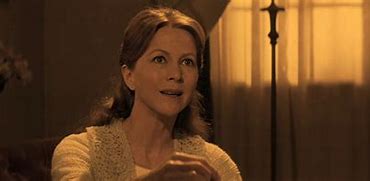
John Huston considered this his favorite of all his films, and while it is not for everyone, those attuned to its wavelength find it spellbinding. Brando does something extraordinary with Penderton: a portrait of closeted torment that stands alongside his Stanley Kowalski in its psychological daring. Taylor gives one of her most relaxed, confident performances—she was beginning to gain weight at this time, and she uses her body fearlessly, almost as a weapon. Julie Harris, who made surprisingly few films for an actress of her caliber, is transcendent. Her scenes with Anacleto are girlish, flirtatious, and unspeakably sad.
Brian Keith, always underrated, underplays beautifully. His Col. Langdon is not a villain—just a man too oblivious to see the suffering around him or the multiple storylines converging toward tragedy.

And then there is Robert Forster, making his film debut as Private Williams. In contrast to the aging bodies around him, he is startlingly beautiful, spending much of the film nude while riding Leonora’s prized horse. It’s a tribute to the narrative’s complexity that she never even knows he exists until the fateful final scene.


